Kitchen and pantry
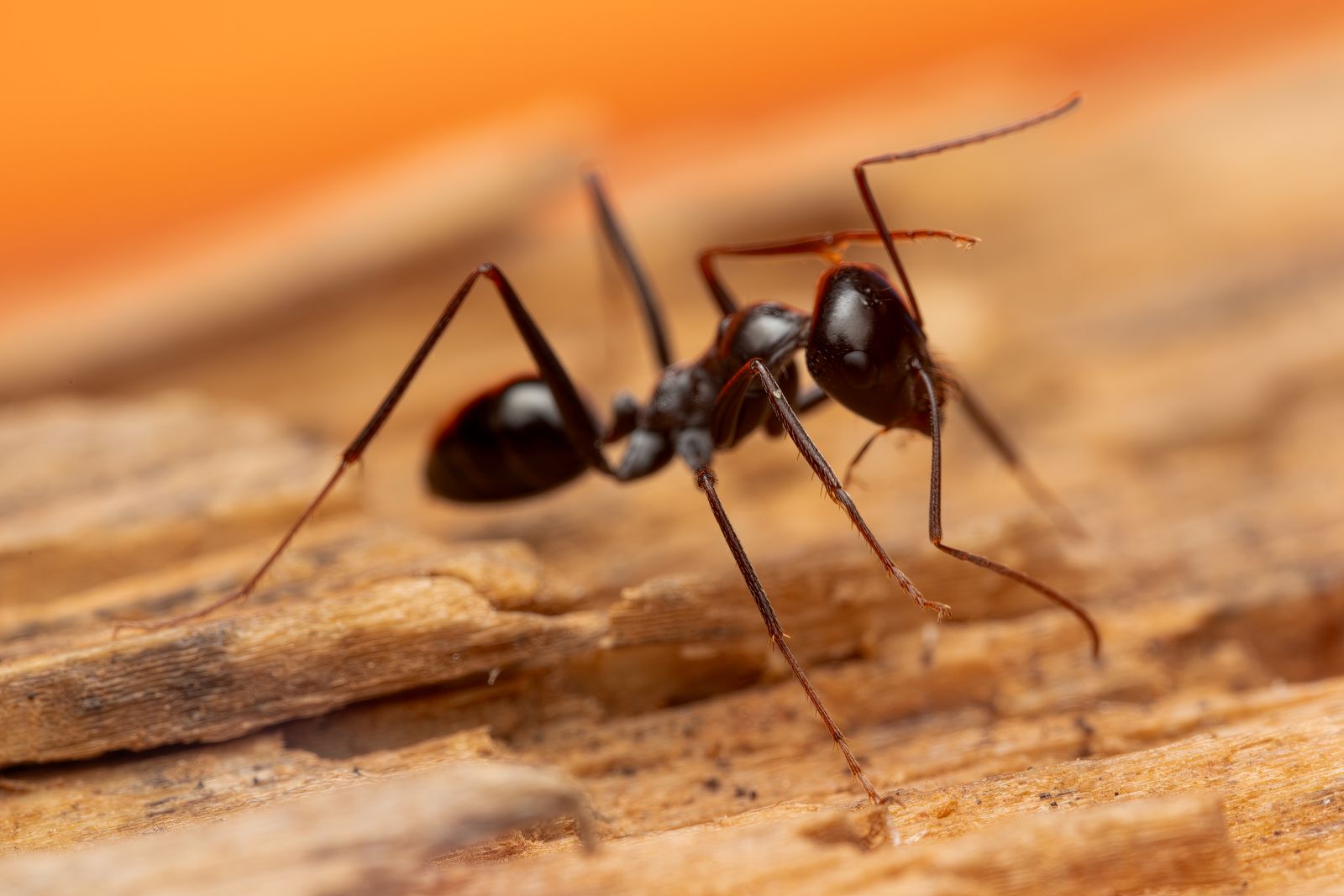
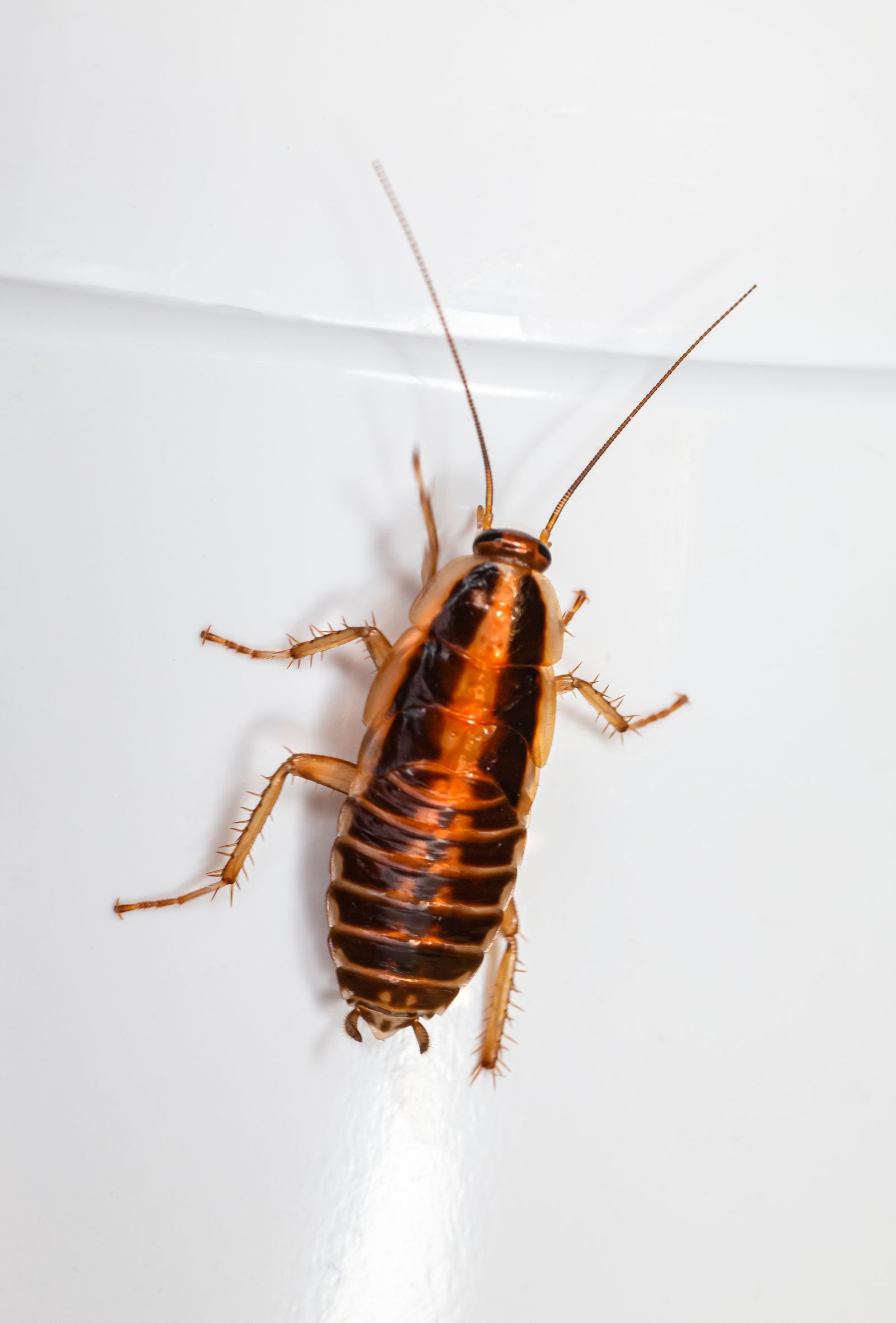
Ants and cockroaches can find food residue and moisture around cabinets. Closed food containers and clean surfaces reduce available food.
A guide to home services
Pest control
Activity along a kitchen counter, inside a closet or near a utility area can have different causes. Identifying the pest and the place it appears helps shape a targeted household plan.
Ants and cockroaches · Spiders · Mice · House crickets and earwigs
Call (347) 705-7621Service options vary by provider and location.Room conditions
Ants and cockroaches can find food residue and moisture around cabinets. Closed food containers and clean surfaces reduce available food.
Clothes moth activity can involve undisturbed textiles. Store clean, dry fabrics in closed containers and inspect affected materials.
Service scope
Service may address ants, spiders, cockroaches and house crickets.
Mice, earwigs, silverfish, clothes moths, centipedes and millipedes have different habits.
Identification and the building’s construction guide inspection and treatment options.
Identification and treatment
A provider can identify the pest and assess where activity is occurring before selecting a treatment. Methods and follow-up depend on the pest, the building and the extent of activity.
In the home
Accessible gaps around pipes and door edges can provide entry routes for mice and other household pests.
Silverfish, earwigs and centipedes may appear in damp areas; reduce persistent moisture where practical.
Changes in accessible wood or mud tubes can warrant a termite inspection; a photo alone cannot establish current activity.
Termite assessment
Visible changes can point to a need for closer inspection, but do not establish whether activity is current.
An inspection can consider visible wood, mud tubes and areas where wood is close to soil. Access and construction affect what can be assessed.
Persistent dampness around wood is relevant to an assessment. Treatment depends on identification and the conditions found.
A practical detail
Activity may appear behind appliances, along walls or near pantry storage. A provider can assess accessible entry gaps and concealed travel routes as part of a mice-control plan; sealed food storage reduces an available food source.
Questions & answers
Helpful context for discussing home service options.
Ants, spiders, cockroaches and other common household pests use different food sources and shelter. Identification helps match a plan to the activity.
Silverfish can use paper and other starchy materials for food and may favor humid, undisturbed storage areas. Keeping stored paper dry and reducing clutter can make the space less suitable.
Sealed food storage, prompt cleanup and attention to damp areas can make kitchens and utility spaces less inviting.
Provider service areas and treatment options vary. Describe the pest and location when discussing available service.
Talk it through
Call to discuss what you have seen and the rooms where it appears with a participating provider.